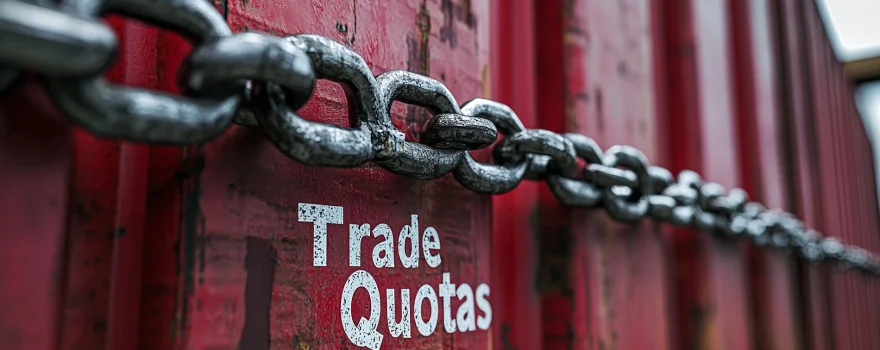
UK Steel Quota Changes in 2026: What Engineering Businesses Need to Prepare For
The UK steel industry is entering another period of adjustment as changes to steel trade measures and tariff-free quotas come into effect from July 2026. While much of the discussion around the subject has focused on policy and international trade, the practical implications for UK engineering businesses could be far more significant.
For manufacturers, fabricators and engineering firms that rely on a dependable supply of engineering steel, the real concerns are often far more immediate: material availability, rising lead times, fluctuating costs and maintaining production schedules.
As global markets continue to experience uncertainty, businesses across the UK are increasingly recognising the importance of reliable procurement strategies and trusted UK stockholders with readily available material.
Understanding the Upcoming Steel Trade Changes
The UK government’s steel safeguard measures were originally introduced to protect domestic steel markets from sudden surges in imports following wider international tariff changes. Over time, these measures have evolved, with tariff-free quotas allowing certain volumes of imported steel into the country before additional duties apply.
However, upcoming changes scheduled for July 2026 are expected to tighten some of these quotas further. For many within manufacturing and engineering, this could result in additional pressure on an already sensitive supply chain.
Although the intention may be to support market stability and domestic production, businesses further down the supply chain may face practical challenges including:
- Reduced access to lower-cost imported material
- Longer procurement lead times
- Increased pricing volatility
- Greater competition for available stock
- Pressure on project planning and delivery schedules
For engineering companies already managing tight production windows, even small disruptions in steel availability can quickly have wider operational consequences.
Why Lead Times Are Becoming a Bigger Concern
One of the biggest challenges facing manufacturers today is uncertainty around lead times. In recent years, global shipping disruption, geopolitical tensions, energy costs and fluctuating demand have all contributed to an increasingly unpredictable supply environment.
Changes to steel quotas could add another layer of complexity.
Where businesses once relied on relatively straightforward import channels, additional restrictions or quota limitations may increase competition for material entering the UK market. This can create delays not only in sourcing specialist grades, but also in securing transport and delivery capacity.
For engineering firms operating within fast-moving sectors such as aerospace, defence, automotive, construction and precision manufacturing, delayed steel deliveries can have a knock-on effect throughout the production chain.
In many cases, the cost of waiting for material can exceed the material price increase itself.
Rising Pricing Pressure Across the Market
Pricing volatility is another area businesses are monitoring closely.
Steel prices are influenced by a wide range of global factors including energy costs, shipping rates, raw material availability and international demand. When quota restrictions tighten, the balance between supply and demand can shift rapidly, particularly for specialist grades and engineering steels.
While no supplier can fully control global market conditions, businesses can reduce exposure to disruption by working with experienced UK stockholders that maintain strong inventory levels and established supplier relationships.
Having access to available stock within the UK can help reduce some of the uncertainty associated with overseas procurement and long international supply chains.
Rethinking Procurement Strategies in 2026
As market conditions continue to evolve, many engineering businesses are reviewing how they approach steel procurement.
In the past, purchasing decisions may have focused heavily on achieving the lowest possible price. However, the events of recent years have highlighted the growing importance of reliability, consistency and supply chain resilience.
Businesses are increasingly prioritising:
- Supplier reliability
- Material availability
- Consistent lead times
- Traceability and certification
- Flexible stockholding arrangements
- Responsive customer support
Forward planning is also becoming more important. Rather than sourcing material only when required, some manufacturers are now working more closely with steel stockholders to forecast demand and secure continuity of supply.
This approach can help reduce exposure to sudden market changes while improving operational stability.
The Value of UK Steel Stockholders
For many engineering firms, trusted UK stockholders play an essential role in helping maintain continuity during uncertain market conditions.
Holding a broad range of engineering steel grades within the UK allows distributors to respond more quickly to customer requirements while helping reduce dependency on lengthy overseas supply routes.
At a time when global supply chains remain vulnerable to disruption, the ability to source material quickly from UK-held stock can provide significant operational advantages.
Working with an experienced stockholder can also provide reassurance around:
- Material quality and certification
- Technical support
- Availability of specialist grades
- Flexible cutting and processing services
- Faster delivery times
- Reduced procurement risk
As the steel market continues to adapt to changing trade conditions, these factors are becoming increasingly important for buyers across multiple engineering sectors.
Preparing for an Uncertain Market
While no one can predict exactly how the 2026 steel quota changes will impact the market over the long term, it is clear that engineering businesses may need to remain flexible and proactive in their procurement planning.
Supply chain resilience is no longer simply a purchasing consideration — it has become an important part of operational strategy.
Businesses that build strong relationships with dependable UK steel suppliers and stockholders are often better positioned to manage uncertainty, maintain production schedules and respond quickly to changing market conditions.
Midland Special Steels
At Midland Special Steels, we understand the importance of reliable supply, responsive service and readily available engineering steel stock. We continue to support manufacturers and engineering businesses across the UK with quality materials, dependable turnaround times and a customer-focused approach.
Get in touch
If you would like to discuss your steel requirements or learn more about our available stock ranges, contact Midland Special Steels today.